

Dehydration can range from a mild inconvenience to a dangerous medical emergency — especially in children, older adults, and anyone who can’t keep fluids down. When drinking water isn’t enough, the emergency room can treat dehydration quickly with IV fluids. This guide explains how the ER treats dehydration and when IV fluids are the right choice.
What Is Dehydration?
Dehydration happens when your body loses more fluid than it takes in, leaving it without enough water to function normally. It’s often caused by vomiting, diarrhea, fever, heat exposure, or simply not drinking enough — and it can quickly affect your energy, blood pressure, kidneys, and more.
Signs of Dehydration
Mild to moderate
- Thirst and dry mouth
- Dark yellow urine or urinating less
- Tiredness or dizziness
- Headache
Severe — seek emergency care
- Extreme thirst with very little or no urination
- Dizziness or fainting, especially when standing
- Rapid heartbeat or rapid breathing
- Confusion or unusual sleepiness
- Sunken eyes; in babies, a sunken soft spot and no tears when crying
- Inability to keep any fluids down
Yes — the ER Can Treat Dehydration With IV Fluids
When you’re too dehydrated or too nauseated to drink, IV (intravenous) fluids deliver hydration and electrolytes directly into your bloodstream, where they work within minutes. This is far faster and more effective than sipping fluids when your body is severely depleted. IV therapy can also deliver anti-nausea and other medications at the same time.
How IV Treatment Works in the ER
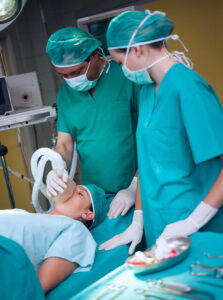
At the emergency room, a physician first evaluates the cause and severity of your dehydration. A small IV catheter is placed — you’ll feel a brief pinch — and fluids are given at a controlled rate while your vital signs are monitored. Depending on your needs, the ER may also run lab tests to check your electrolytes and kidney function, and treat the underlying cause, such as a stomach virus or heat illness.
Dehydration in Children
Dehydration from stomach viruses is one of the most common pediatric emergencies. Watch for no tears when crying, a dry mouth, fewer wet diapers, sunken eyes, and unusual sleepiness. Children can become dehydrated quickly, so don’t wait if your child can’t keep fluids down.
How Eastex Emergency Room Treats Dehydration
At Eastex Emergency Room in Beaumont, we provide physician-directed IV fluids and medication 24/7 for adults and children, with on-site lab testing to check electrolytes and kidney function. Unlike a walk-in hydration bar, this is true emergency medical care with monitoring throughout. Learn more about our emergency treatments.
Who Is at Higher Risk of Dangerous Dehydration?
- Infants and young children
- Older adults
- People with vomiting or diarrhea
- People with diabetes or kidney conditions
- Anyone exposed to high heat or exercising heavily
Frequently Asked Questions
Can the ER give IV fluids for dehydration?
Yes. When you’re too dehydrated or nauseated to drink, IV fluids deliver hydration and electrolytes directly into the bloodstream, working within minutes. Eastex Emergency Room provides physician-directed IV therapy 24/7.
When is dehydration a medical emergency?
Seek emergency care for extreme thirst with little or no urination, dizziness or fainting, rapid heartbeat, confusion, sunken eyes, or the inability to keep any fluids down.
How fast do IV fluids work?
Because IV fluids enter the bloodstream directly, most people feel better within a short time — far faster than drinking fluids when the body is severely depleted.
How do I know if my child is dehydrated?
Look for no tears when crying, dry mouth, fewer wet diapers, sunken eyes, and unusual sleepiness. Children dehydrate quickly, so seek care promptly if they can’t keep fluids down.
Is ER IV therapy the same as an IV hydration bar?
No. ER IV therapy is emergency medical care — a physician evaluates the cause, selects fluids and medications for your condition, and monitors you throughout. It’s available 24/7.
This article is for general educational purposes and is not a substitute for professional medical advice. If you think you are experiencing a medical emergency, call 911 or go to your nearest emergency room immediately. Eastex Emergency Room is open 24/7 in Beaumont, TX.